
Root Canal Treatment
What is root canal treatment?
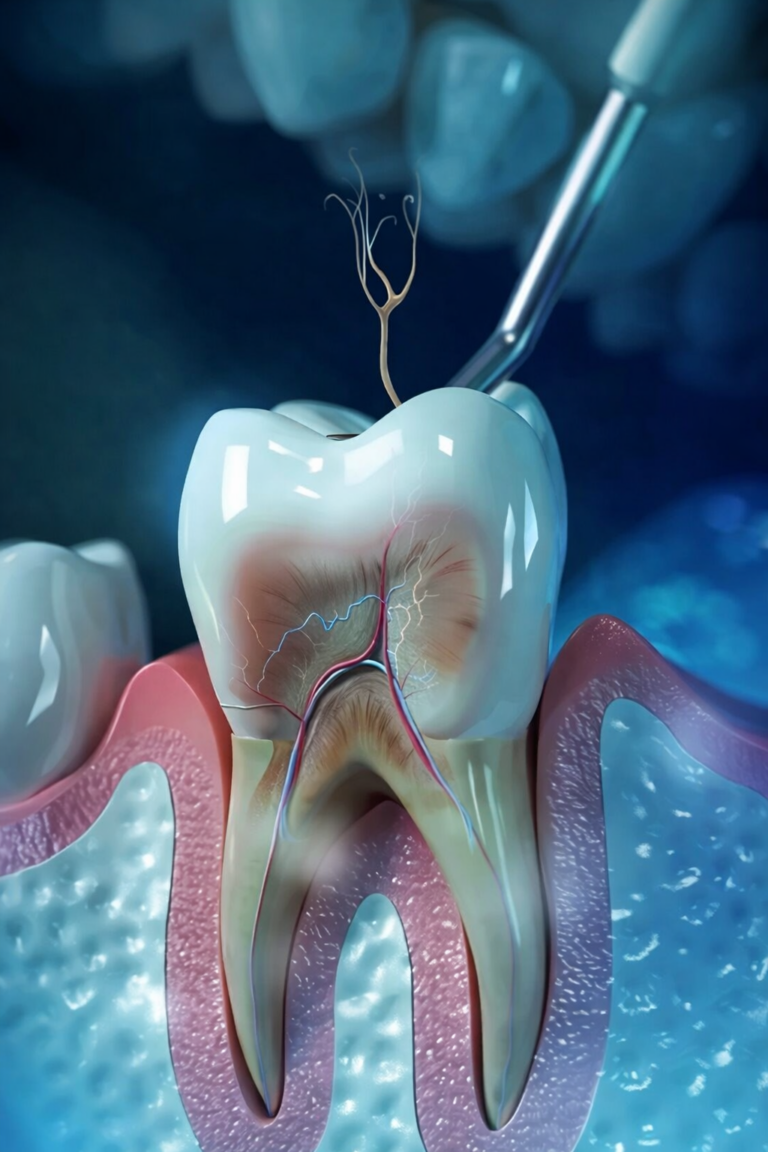
Root Canal Treatment (RCT) is a safe and effective dental procedure used to save a tooth that has become infected or severely damaged. Inside every tooth, beneath the hard enamel and dentin layers, there is a soft tissue called the pulp. The pulp contains nerves and blood vessels that help the tooth grow during development. However, once a tooth is fully formed, it can function without the pulp.
When the pulp becomes infected due to deep tooth decay, repeated dental procedures, cracks, fractures, or injury, it can cause severe tooth pain, swelling, and sensitivity. If left untreated, the infection may spread to surrounding tissues and even lead to tooth loss.
Root canal treatment removes the infected pulp, cleans and disinfects the inner canals of the tooth, and seals it to prevent reinfection. This procedure allows you to keep your natural tooth and avoid extraction.
Root canal treatment is commonly performed by general dentists or specialists called endodontists. Modern equipment such as digital X-rays and rotary instruments makes the treatment more precise and comfortable. The treated tooth is usually restored with a filling or crown to improve strength and durability.
When is a Root Canal Needed

You may need a root canal if you notice:
Severe tooth pain while chewing or biting
Long-lasting sensitivity to hot or cold
Swollen or tender gums near a tooth
Dark or discolored tooth
- Small pimple-like swelling on the gums
If these symptoms appear, it is important to visit a dentist early to prevent the infection from spreading.
Sometimes a tooth may require a root canal even without noticeable pain. In some cases, infection is detected during a routine dental checkup or X-ray. Early diagnosis helps prevent complications and reduces the need for more extensive treatment.
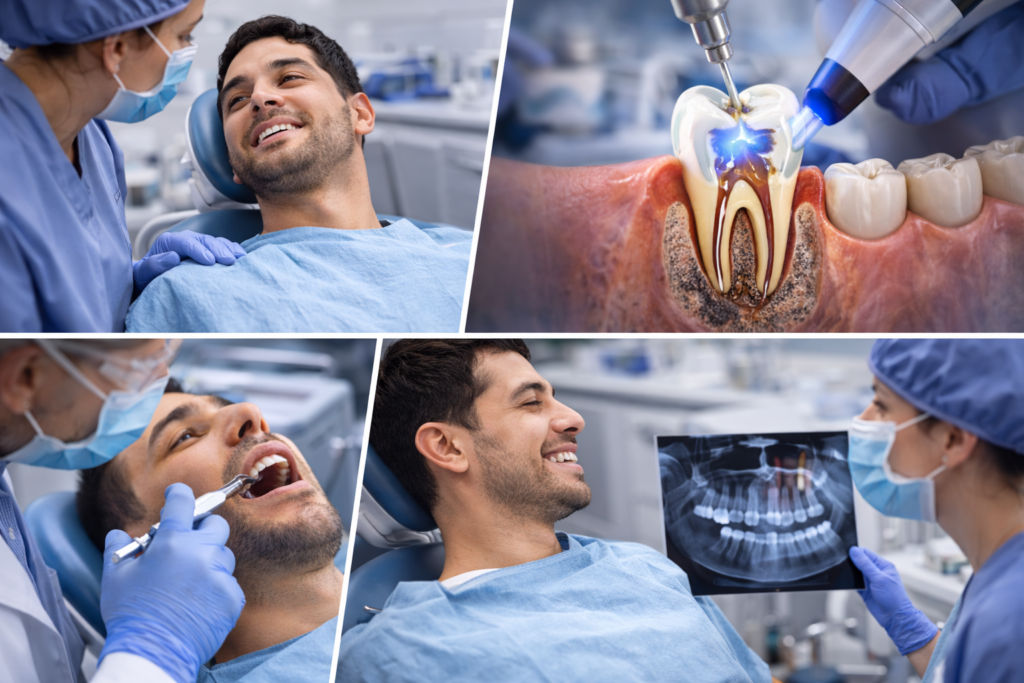
Root Canal Treatment Procedure
Examination and X-ray
Local Anesthesia
Removal of Infected Pulp
Cleaning and Disinfection
Benefits of Root Canal Treatment
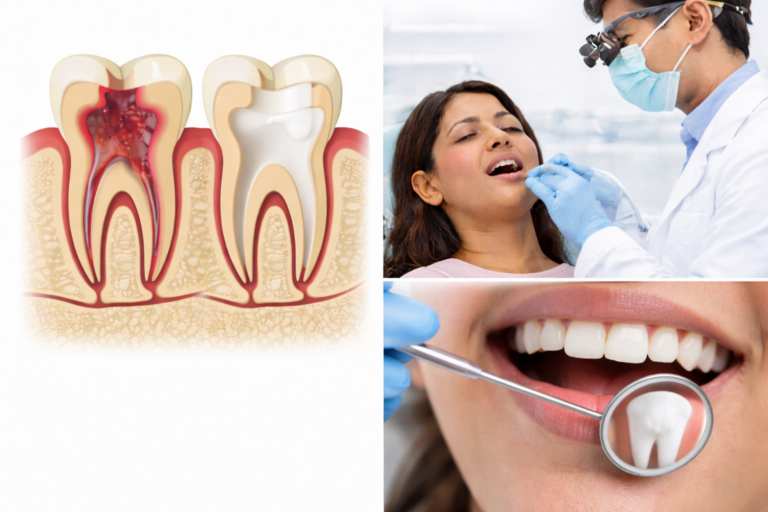
Saves your natural tooth
Relieves pain and infection
- Eliminates infection
Restores normal chewing
Prevents further dental problems
Long-lasting with proper care
Keeping your natural tooth is always better than replacing it with artificial alternatives. RCT helps preserve your natural tooth structure while maintaining overall oral health.
Is Root Canal Treatment Painful ?
One of the most common concerns patients have is whether root canal treatment is painful. With modern dental techniques, advanced equipment, and effective anesthesia, root canal therapy is usually no more uncomfortable than getting a regular dental filling.
In fact, the procedure relieves the severe pain caused by infection. Most patients feel significant improvement immediately after treatment. Mild discomfort or sensitivity may occur for a few days, but it can be managed with prescribed medications.
Some patients may experience slight soreness in the treated area for a short period after the procedure. This is a normal part of healing and usually improves within a few days. Following your dentist’s instructions helps ensure a smooth recovery.
How Long Does a Root Canal Take?
- A root canal procedure usually takes one or two appointments, depending on the severity of infection and the condition of the tooth.
- Simple cases may be completed in a single visit, while complex infections may require multiple visits
- The duration of each appointment typically ranges from 30 to 90 minutes depending on the number of root canals and the complexity of the tooth structure. Molars usually take longer than front teeth because they have multiple canals.
Aftercare Tips
Avoid chewing on the treated tooth until the final restoration is placed.
Brush and floss daily.
Visit your dentist regularly for checkups
- Maintain good oral hygiene to prevent future infections.
- Avoid very hard or sticky foods for a few days.
- Follow prescribed medications if recommended by your dentist.
Why Early Treatment Is Important
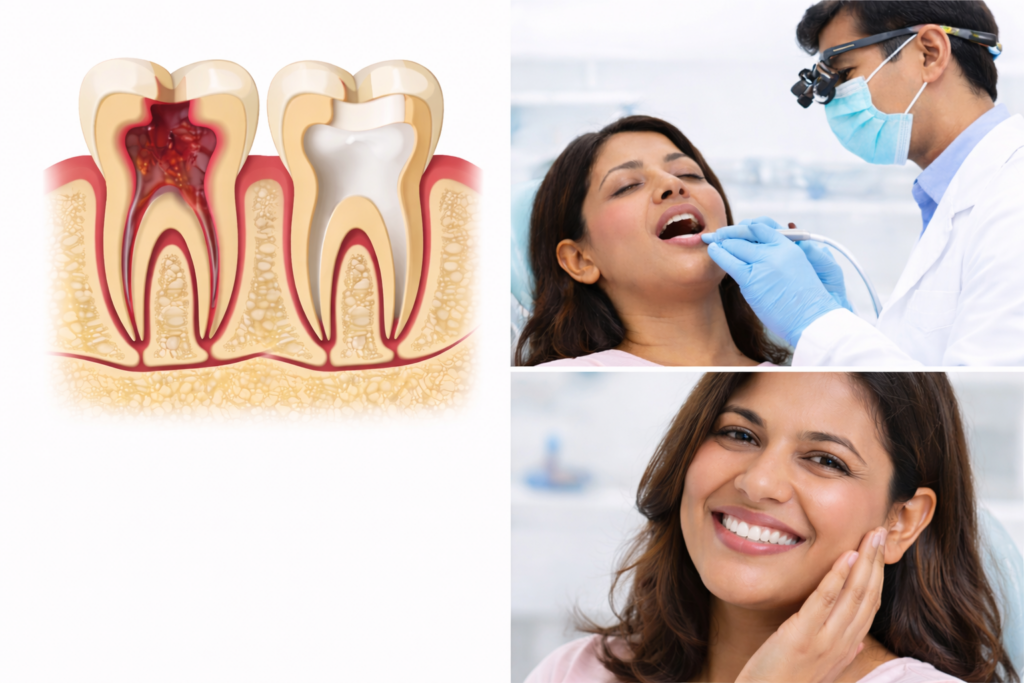
- Delaying root canal treatment can lead to serious complications such as abscess formation, bone loss around the tooth, swelling of the face or jaw, and eventual tooth extraction.
- Early diagnosis and timely treatment result in faster healing, reduced discomfort, and better long-term outcomes.
- Root canal treatment is a reliable and effective solution for infected teeth. It helps you avoid extraction, maintain your natural smile, and restore full function of your tooth. With proper care and regular dental visits, a root canal-treated tooth can last a lifetime.
- Treating infection early reduces the risk of bacteria spreading to nearby teeth and gums. Prompt treatment also reduces treatment time and helps preserve more of the natural tooth structure.
Root Canal Treatment Painful
With modern dental techniques and anesthesia, root canal treatment is usually no more uncomfortable than getting a regular filling. Most patients feel relief from pain after the procedure.
Dentists use numbing medication to ensure the procedure is comfortable. Most patients are able to return to normal activities shortly after treatment.
Frequently Asked Questions
1. What's a root conduit treatment?
Root conduit treatment is a dental procedure that removes infection from inside the tooth. The dentist cleans the infected area and seals the tooth so that it can serve typically again without pain.
2. Do root conduit treatments hurt?
Root conduit treatment is generally comfortable because the dentist uses original anesthesia to numb the area. Almost cases feel less pain after the treatment because the infection is removed.
3. How do I know if I need a root conduit?
You may need a root conduit if you have strong tooth pain, perceptivity to hot or cold foods, blown epoxies, or a dark- multicolored tooth. A dentist examination andX-ray will confirm if treatment is demanded.
4.How long does root conduit treatment take?
Almost root conduit treatments are completed in one or two visits. The time needed depends on how poorly the tooth is infected and how numerous conduits need treatment.
5.Can a root conduit save my tooth?
Yes, root conduit treatment helps save your natural tooth by removing infection and restoring strength. Keeping your natural tooth is generally better than removing it.